
What changes, what diseases can occur, and tips for feeding senior dogs.
One day it happens: your dog, who always joyfully jumped to fetch and chased every ball, becomes a bit slower, and larger dogs usually age earlier than smaller ones. Aging is not a disease, but just a stage of life. And you can support your four-legged partner in many ways during this phase. We'll tell you how to distinguish signs of aging from age-related diseases, what you should change in the diet of senior dogs, and how you can support your aging dog.
At SABRO, we have deliberately taken in many dogs over ten years old into our pack. Senior dogs have always been very close to our hearts. Therefore, we have primarily supported older dogs in animal welfare. Many of our products were developed from this experience with old dogs, specifically tailored to senior dogs, and then tested and continuously optimized by our own senior dogs.
How to tell that your dog is aging
Just like the gray hair in human seniors, dogs also tend to have gray or white fur, often around the muzzle. Overall, the coat loses its shine, the eyes appear somewhat cloudy, and especially with active dogs, one gets the feeling that the muscular body is a thing of the past. In addition, there are gradually noticeable changes in the behavior of an aging dog, as can also be observed in humans: some things take noticeably longer than before, and activity and stamina decrease, which is expressed in a slower gait. The already high need for sleep in a dog increases even more with age, and an old dog prefers to lie warmly. Your dog may react stubbornly if you try to change his daily routine. He simply doesn't like changes as much as before. With all these behavioral changes, the rule is: take them easy and don't try to train them out of your dog. If he doesn't feel like doing something, that's okay. And if he no longer joyfully greets other dogs in the park for a game, just accept it.
What you need to know about diseases in older dogs
If you notice that the behavioral changes mentioned above occur very quickly, you should have your dog examined by a veterinarian to rule out diseases. For example: if you call your dog, but he doesn't react at all, it doesn't necessarily mean he's stubborn. It could also be a sign of deafness or an ear disease. Getting up more slowly after lying down doesn't have to be due to old age. It could be the beginning of arthritis. If your dog occasionally loses urine, it could be the beginning of dementia. In all cases, the rule is: no one knows your dog as well as you do. Therefore, observe him closely and weigh whether his behavior gives cause for concern. Nevertheless, it's better to go to the vet once too often than too rarely. Many diseases can be better managed if detected early.
Professional tip: Have your dog's blood checked once a year, even if there is no reason for concern. Better safe than sorry.
What diseases are typical for old dogs?
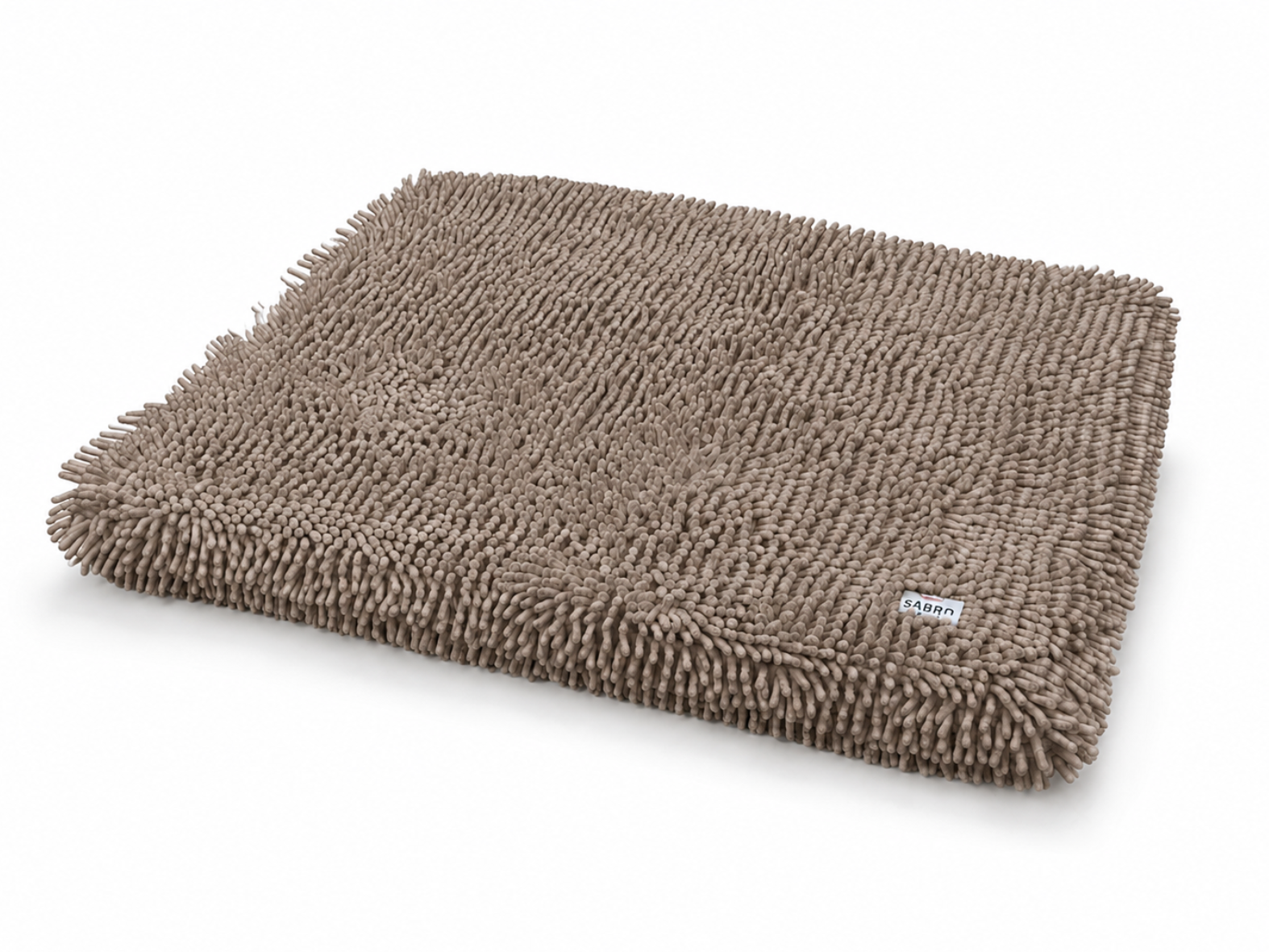
- Very common in senior dogs is osteoarthritis or arthritis, because bones and joints are exposed to higher wear and tear. Pay attention to whether your senior dog seems to be suffering from pain when moving. In addition to veterinary care, you can help your dog find relief with orthopedic dog beds and dog mats.
- Many old dogs suffer from kidney problems: if your dog eats significantly less than before and suffers from nausea, you should see a vet. The disease is not curable, but can be managed with medication.
-
Poorer eyesight and hearing are also part of aging in dogs; beginning deafness and blindness or cataracts should be treated by a vet.
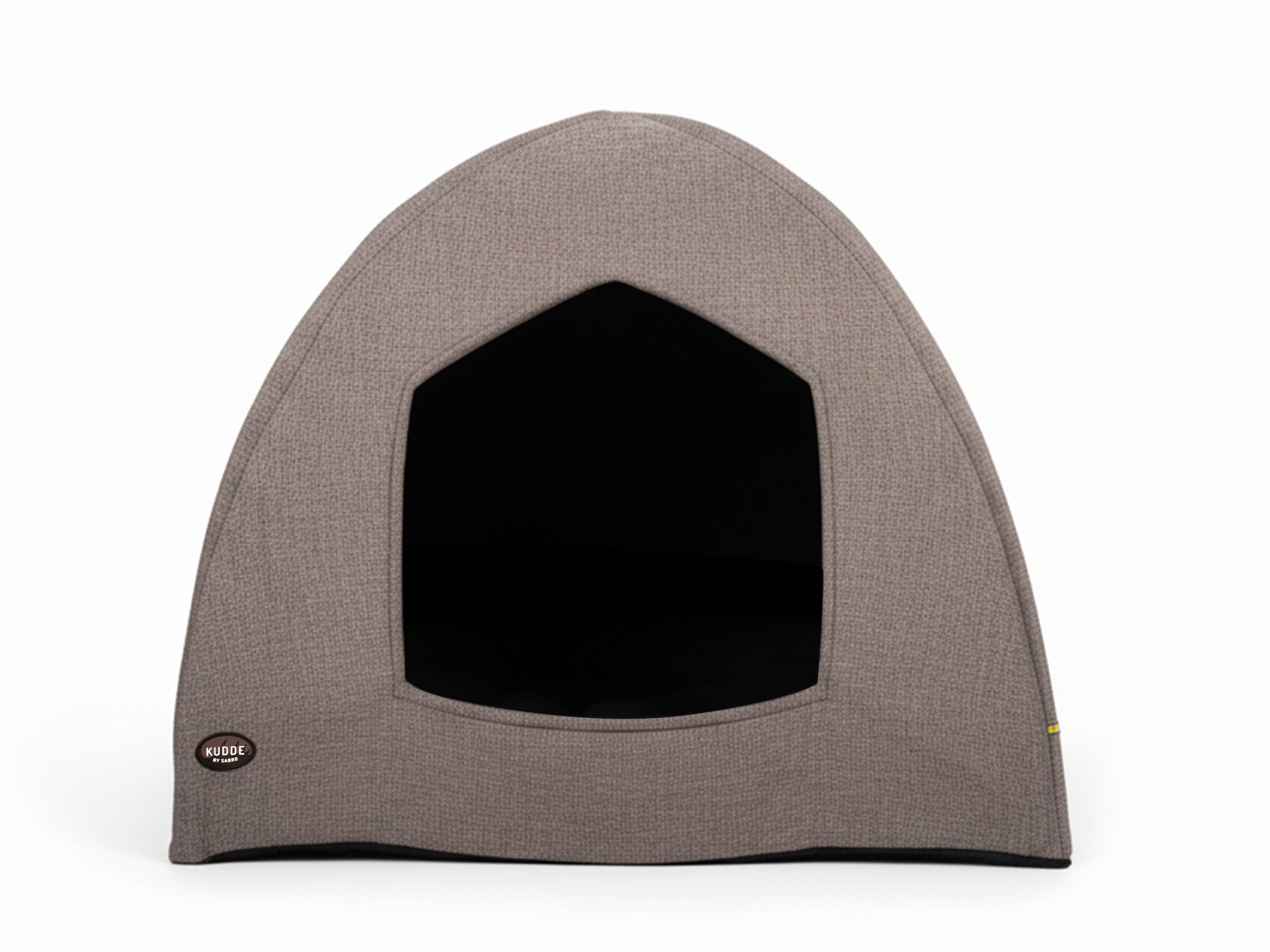
- A higher risk of infection is also an age-related phenomenon in many cases due to a weakening immune system. Make sure your senior dog does not lie in a draft or is exposed to extreme cold. Our IGLU dog cave is a good addition to the KUDDE dog bed, because it perfectly protects your dog from drafts.
- And then there's the problem with obesity in older dogs. More on that in the next paragraph.
How to feed your old dog healthier
Another widespread age-related disease is obesity. Just like in humans, this can have fatal consequences for the joints. Therefore, you should honestly admit it if your dog is overweight – even if you prefer to look at your dog through rose-colored glasses. And it is a symptom of disease that you can get under control relatively easily in its early stages: by changing its diet. Important is a food with low energy density and reduced absorbability as well as a reduced content of calories and fiber. Additionally effective: a significant reduction of treats. Even if he looks so cute... ?
What you can do to help your dog in old age
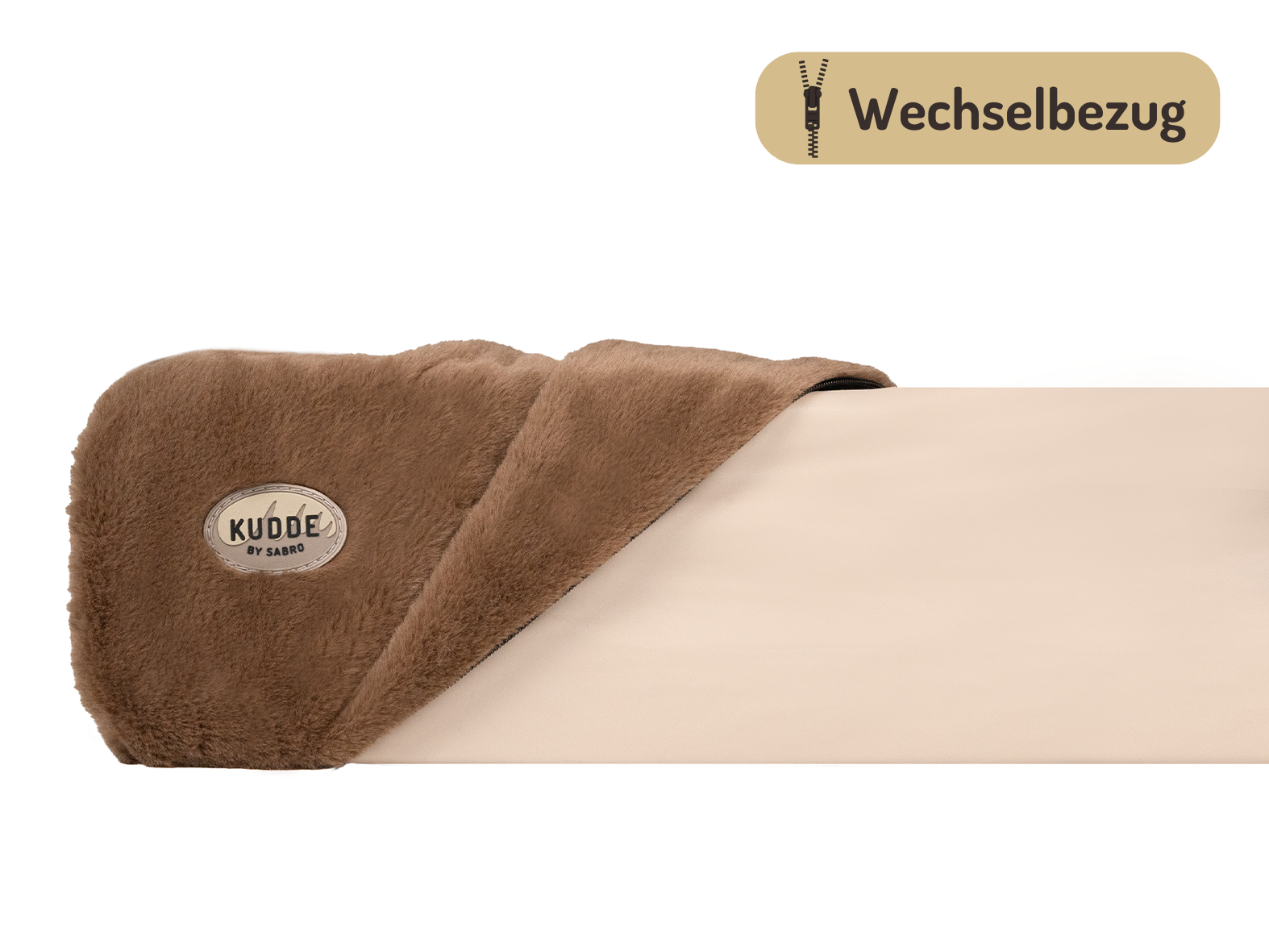
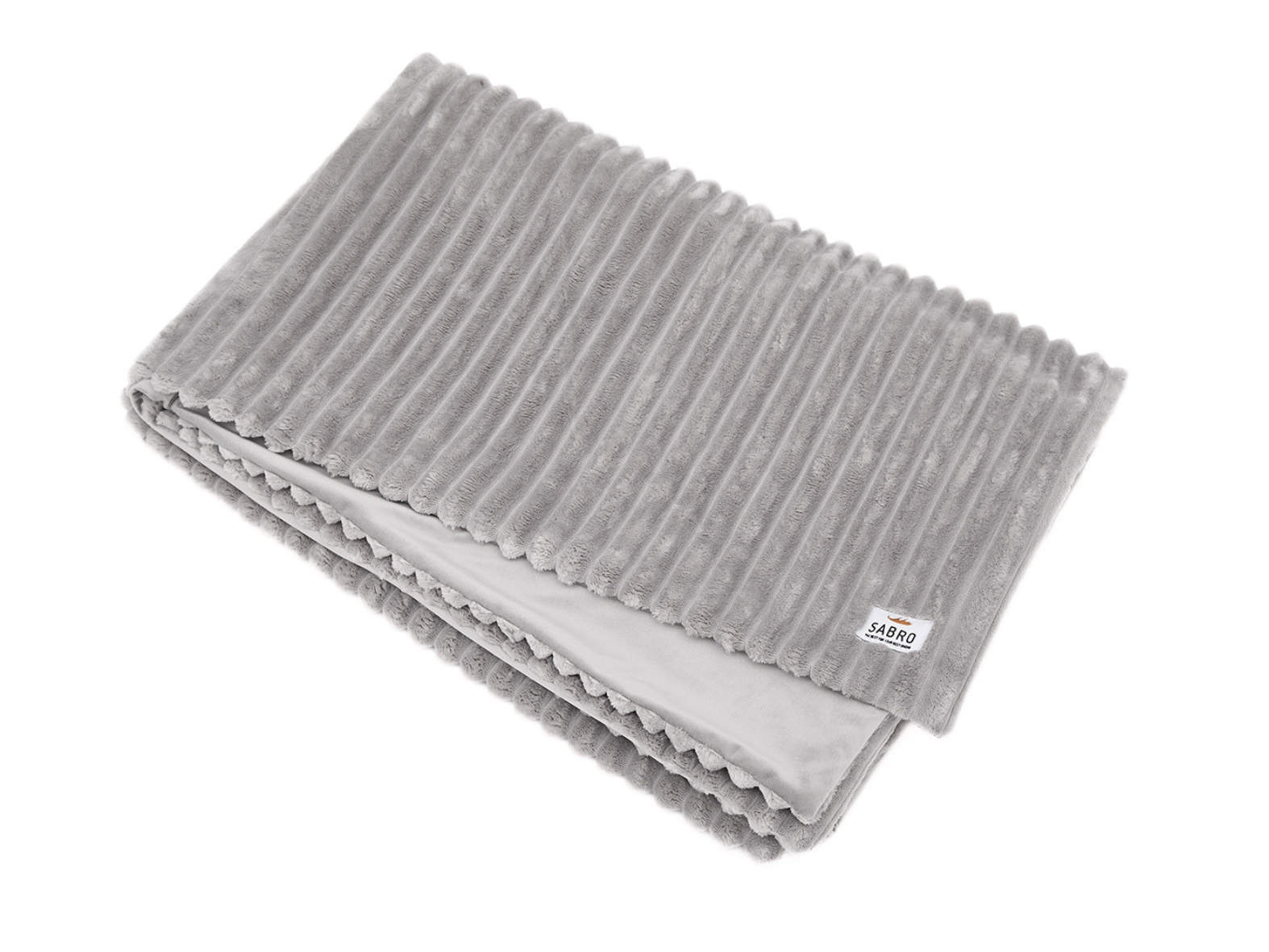
Design your dog's sleeping place to be age-appropriate: as mentioned, your senior dog will spend even more time in his dog bed, and at the same time he needs more warmth and relief for his joints. For your old dog, pay particular attention to the filling of the dog bed, keyword orthopedic dog bed. If you are one of the many users of the KUDDE dog bed, for example, you can switch from the standard version (cold foam) to the more age-appropriate and supportive special version, without your dog having to get used to a completely new dog bed. The special version of the KUDDE reflects your aging dog's body heat, adapts to his body shape, and allows him to lie pressure-relieved. This way, you can make his sleeping place age-appropriate in several important ways with just one product.
Make the floors at home non-slip by laying down small rugs with non-slip backing or other things that prevent your senior dog from slipping when walking or having other problems with his mobility. Alternatively, you can make it easier for your dog to move on slippery floors with our TOFFLER fleece dog slippers.
Make it easier for large and heavy dogs to get around: if you live in an apartment building or a house with many stairs, you should consider arranging a carrying aid. Make sure it doesn't constrict your dog and is made of robust material; we recommend neoprene carrying aids. This will make it easier for your dog to go upstairs. The same applies to getting into the trunk: with a special dog ramp, you can provide relief for your senior dog. Especially when your dog becomes more sedate, you can make his journeys easier in this way.
How old is your dog? What experiences have you had when he started aging? And how did you react to it? We look forward to your tips in our comments.